Content author-Burt Rooney
Before LASIK, your eye cosmetic surgeon will certainly evaluate your vision to make sure it is secure. She or he will likewise inspect to see if you have any other eye problems that can impact your results.
After see this here has actually applied numbing eye decreases, she or he will develop a paper-thin flap in your cornea tissue using a tool called a microkeratome or laser. The procedure is painless.
What Is LASIK?
LASIK is a type of refractive surgery. It corrects vision troubles caused by refractive mistakes, which occur when the cornea or lens do not appropriately bend light rays.
Most individuals who have LASIK attain good range vision without glasses or calls. However, they may require reading glasses to see close up. The results of LASIK are permanent, although visual negative effects are short-term.
Can I Have LASIK if I Have Astigmatism?
Blurred vision is typically caused by astigmatism. LASIK can aid with this issue by making your cornea extra balanced. The surgeon will use a device called a microkeratome or laser to reduce a thin flap in your cornea, after that fold it back. They will certainly after that make use of a laser to improve the cornea so it can bend light far better.
The only thing that LASIK can not do is correct presbyopia (age-related farsightedness). This can just be made with cataract surgery.
Can I Have LASIK if I Have Dry Eye?
An essential part of the LASIK examination is checking just how well your eyes generate rips. Some people with completely dry eye are not able to obtain LASIK since it can worsen the condition.
Dry eye is an usual side effect of LASIK since the procedure severs corneal nerves. Nevertheless, it generally improves as the eye heals. You can make use of man-made rips and punctal plugs to manage your signs.
Can I Have LASIK if I Have a Cataract?
In most cases, yes. hop over to here can boost your vision after cataract surgical treatment.
When you have a cataract, your lens is gloomy and your close-up vision is blurred. LASIK can help with this, along with your range vision.
Throughout LASIK, your specialist will certainly utilize a laser or a blade to produce a slim flap on your cornea. Then the surgeon will certainly fold the flap back and also make use of a laser to reshape your cornea.
Can I Have LASIK if I Have a Retinal Detachment?
Retinal detachment generally results from a retinal tear. The physician will repair the tear with an in-office procedure called pneumatically-driven retinopexy. After the eye is numbed, the medical professional inserts an expandable gas bubble into the eye to push the detached retina versus its assistance cells.
LASIK does not right presbyopia, which develops as you grow older as well as triggers fuzzy close-up vision. However, it can be incorporated with mono-vision to decrease or remove the need for checking out glasses.
Can I Have LASIK if I Have a Hyperopia (Farsightedness) or Nearsightedness (Nearsightedness)?
Many health insurance companies don't cover LASIK because it isn't thought about clinically essential. Nevertheless, they may repay individuals for lens implants if a surgeon belongs to their network.
Prior to you undergo LASIK, your optometrist will carry out an extensive eye exam. This will consist of checking your general eye health, pupil dimension and also refractive mistake. He or she will additionally measure the thickness of your corneas.
Can I Have LASIK if I Have Presbyopia (Aging Eyes)?
LASIK does not deal with presbyopia (loss of near vision connected with age). Instead, it fixes refractive errors by improving the cornea.
After numbing drops as well as covering the eye with a guard or spot, the specialist creates the flap. After that the laser improves the cornea. You might hear a clicking noise and also smell an uncommon aroma. This is normal and does not create harm.
Can I Have LASIK if I Have Keratoconus (Curved Cornea)?
In LASIK, your doctor will certainly make use of a femtosecond laser to reduce a thin flap in the cornea. They will certainly then fold it back as well as utilize a different laser to reshape your cornea.
https://telegra.ph/The-Benefits-Of-Picking-An-Experienced-Lasik-Expert-05-31 is based upon how light enters your eye, flexes through the lens and also concentrates on the retina. Refractive mistakes maintain light from concentrating correctly and also create blurry vision.
Can I Have LASIK if I Have Blepharitis (Inflammation of the Eyelids)?
A lot of people choose LASIK since they desire freedom from glasses or get in touch with lenses. It is necessary to review your goals with your ophthalmologist prior to having the treatment.
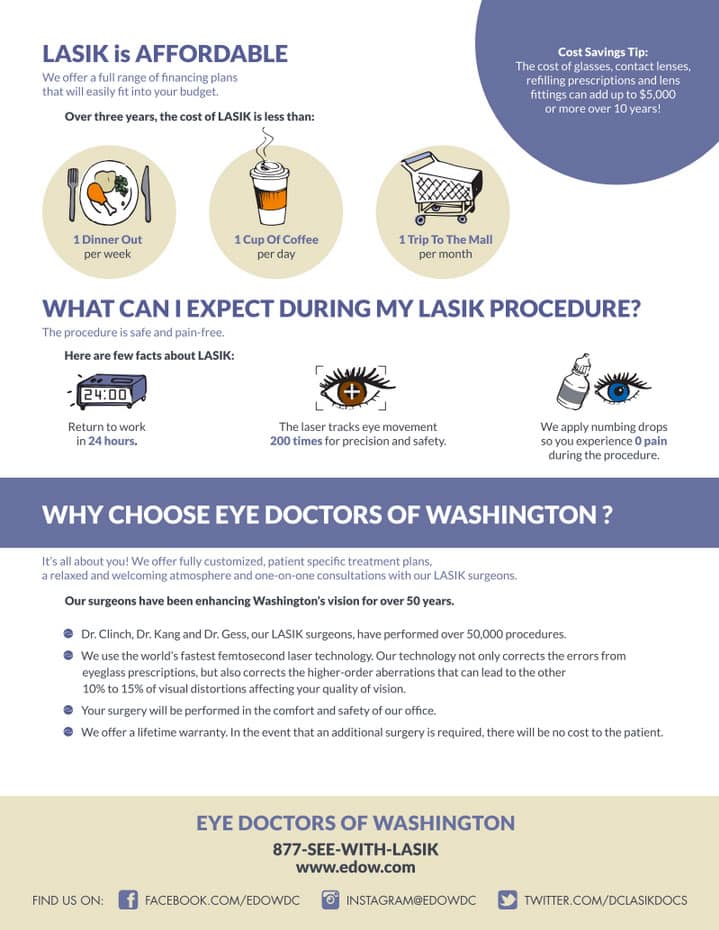
LASIK is not unpleasant. Eye drops are positioned to numb your eyes prior to the surgical procedure. The majority of individuals explain really feeling a minor stress but no pain. Recovery from LASIK is reasonably fast. Your vision will be a little fuzzy as well as light sensitive right after surgery but must improve rapidly.
Can I Have LASIK if I Have a Corneal Thickness Issue?
LASIK deals with vision by reshaping the corneal cells. To do this, the cornea has to be thick sufficient for the doctor to produce a flap.
If your corneas are as well slim, you may be a candidate for laser vision correction procedures that do not need producing a flap, such as PRK or Epi-LASIK. These treatments have similar results to LASIK but work in a various method.